
How to Choose the Right Interior Paint Sheen
Choosing a color may be the fun part of painting a room, but selecting the right sheen is just as important. Sheen affects how a wall reflects light, handles fingerprints, resists moisture, and reveals surface imperfections. The wrong finish can make a busy hallway difficult to clean or draw unwanted attention to patched drywall.
Clear Image Painting & Cleaning helps homeowners throughout the Sandhills match finishes to how each space is actually used. This guide explains the differences among common paint sheens, offers practical room-by-room recommendations, and covers the preparation needed for a smooth, durable result.

Understanding the Interior Paint Sheen Scale
Paint sheen describes how much light a dried coating reflects. As sheen increases, the surface generally becomes easier to clean and more resistant to moisture—but it may also make dents, patches, and uneven texture more noticeable.
Flat and matte
Flat paint reflects very little light and does an excellent job of minimizing minor wall flaws. It is commonly used on ceilings and low-traffic walls. Modern premium matte products can be more washable than older formulas, but basic flat paint remains less suited to frequent scrubbing.
Eggshell
Eggshell has a soft, understated glow. It provides more washability than flat paint without creating an obvious shine, making it a popular finish for living rooms, dining rooms, bedrooms, and home offices.
Satin
Satin is smoother and more reflective than eggshell. Its added durability works well in high-traffic or moisture-prone areas, including kitchens, bathrooms, children’s rooms, laundry rooms, and hallways. Careful preparation matters because satin reflects enough light to reveal poorly patched areas.
Semi-gloss and high-gloss
Semi-gloss is durable, moisture-resistant, and easy to wipe down. It is typically used for doors, trim, baseboards, cabinets, and sometimes bathroom walls. High-gloss creates a dramatic, highly reflective surface, but it shows nearly every imperfection and requires meticulous preparation. It is usually reserved for specialty details rather than full walls.
The Best Paint Finish for Each Room
There is no single finish that works everywhere. Consider traffic, moisture, cleaning frequency, wall condition, and natural light before deciding.
- Living rooms and dining rooms: Eggshell is often the best paint finish for living room walls because it balances a refined appearance with practical washability. Matte can also work in a formal, low-traffic room.
- Bedrooms: Eggshell or washable matte usually provides a comfortable look. Satin may be more practical in children’s rooms where walls face fingerprints, crayons, and frequent cleaning.
- High-traffic hallways: Satin is one of the most dependable washable paint finishes for high-traffic hallways. A high-quality eggshell may also work when less shine is preferred.
- Kitchens: Satin generally handles splashes and routine wiping well. Semi-gloss can be useful on trim or particularly exposed surfaces, but proper ventilation still matters.
- Bathrooms: Choose satin or semi-gloss formulated for humid spaces. Product quality and mildew resistance are as important as the sheen name.
- Ceilings: Flat ceiling paint minimizes glare and helps conceal surface variation. In a bathroom, consider a moisture-resistant ceiling coating.
- Doors, trim, and cabinets: Semi-gloss is a common choice because it is durable and creates visual contrast against flatter walls. Cabinet coatings are specialized products; homeowners considering a larger update can explore professional cabinet refinishing.
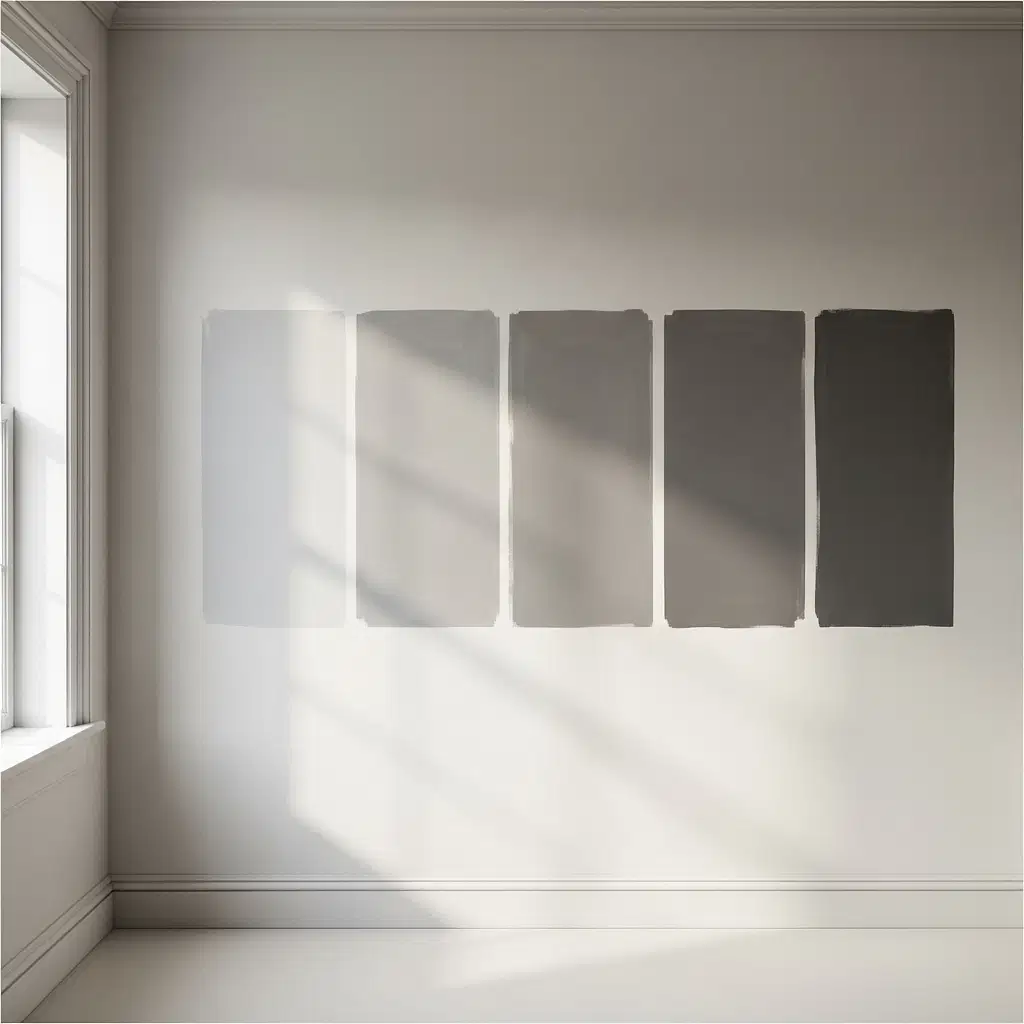
The difference between eggshell and satin paint is most apparent under side lighting. Eggshell looks softer and hides imperfections better, while satin is usually easier to clean. Since sheen levels vary by brand and product line, compare sample boards in the room during both daylight and evening hours rather than relying only on a small store swatch.
Preparation, Primer, and Paint Quality Matter
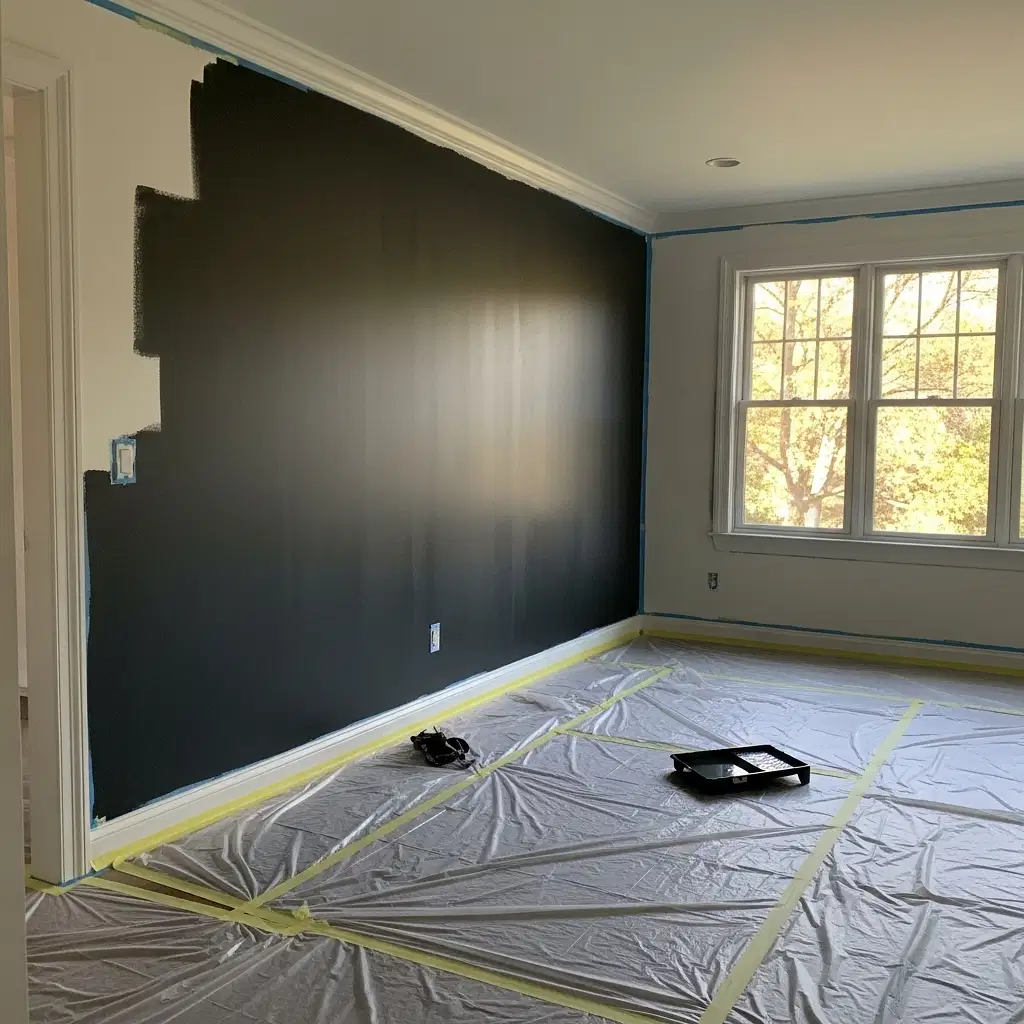
Even a well-chosen sheen cannot compensate for poor surface preparation. A professional scope should explain whether the project includes protecting floors and furniture, cleaning walls, filling nail holes, sanding rough patches, caulking appropriate gaps, priming repairs, and cleaning the room afterward. That detail makes estimates easier to compare and reduces unwelcome surprises.
Sheetrock damage deserves particular attention. Satin and semi-gloss finishes can highlight raised patches, torn drywall paper, or inconsistent texture. Clear Image can coordinate sheetrock repairs before painting so the repaired area blends more naturally with the surrounding wall.
Is primer always necessary?
Not always. Primer is particularly useful over bare drywall, repaired sections, stains, glossy surfaces, porous materials, or major color changes. Paint-and-primer-in-one products can provide strong coverage over a sound, previously painted wall, but they do not replace a dedicated problem-solving primer in every situation.
How many coats are needed?
Two finish coats are common for uniform color and sheen, although the actual requirement depends on the existing color, new color, paint quality, surface condition, and application method. Very deep or vivid colors may require a tinted primer or additional coat. A transparent estimate should identify the expected preparation, primer, product line, sheen, and number of coats.
Low-VOC and zero-VOC water-based paints are increasingly popular among households concerned about indoor air quality and odor. Sheen and VOC content are separate choices, so homeowners can often select a lower-emission product in the finish appropriate for the room. Digital color visualization tools are also helpful, but physical samples remain valuable because lighting and surrounding materials change how both color and sheen appear.
Get a Finish That Looks Good and Lives Well
The right sheen should complement your design while standing up to daily life. Use flat or matte where hiding imperfections is the priority, eggshell for a soft and versatile wall finish, satin for greater washability, and semi-gloss for hard-working trim and doors. Then support that choice with careful repairs, appropriate primer, quality paint, and thorough preparation.
When evaluating a painting contractor, request a written scope, clear product information, proof of applicable insurance, references or reviews, an expected schedule, and warranty details. Price matters, but an unusually low quote may omit the preparation and coating steps required for a lasting finish.
Clear Image Painting & Cleaning has served customers since 1995 with a focus on satisfaction, exceeding expectations, and building lasting relationships. If y’all are planning an update around Carthage or elsewhere in the company’s service area, learn more about interior and exterior painting or contact Clear Image Painting & Cleaning to discuss colors, sheen, wall repairs, and a detailed project estimate. The team can also help with sheetrock repairs, popcorn ceiling removal, cabinet refinishing, and other painting and cleaning services.